

EDITORIAL
The House as a Place of Return
EDITORIAL
The House as a Place of Return
The House as a Place of Return
Contemporary house architecture is often discussed in terms of form, material, or style, yet the deeper value of a home lies in how it is experienced.
A home is a place of return, a retreat from the pace of the outside world, where the body settles, and the mind grows quiet again. At its best, architecture creates the conditions for calm, clarity, and renewal.
The home as retreat
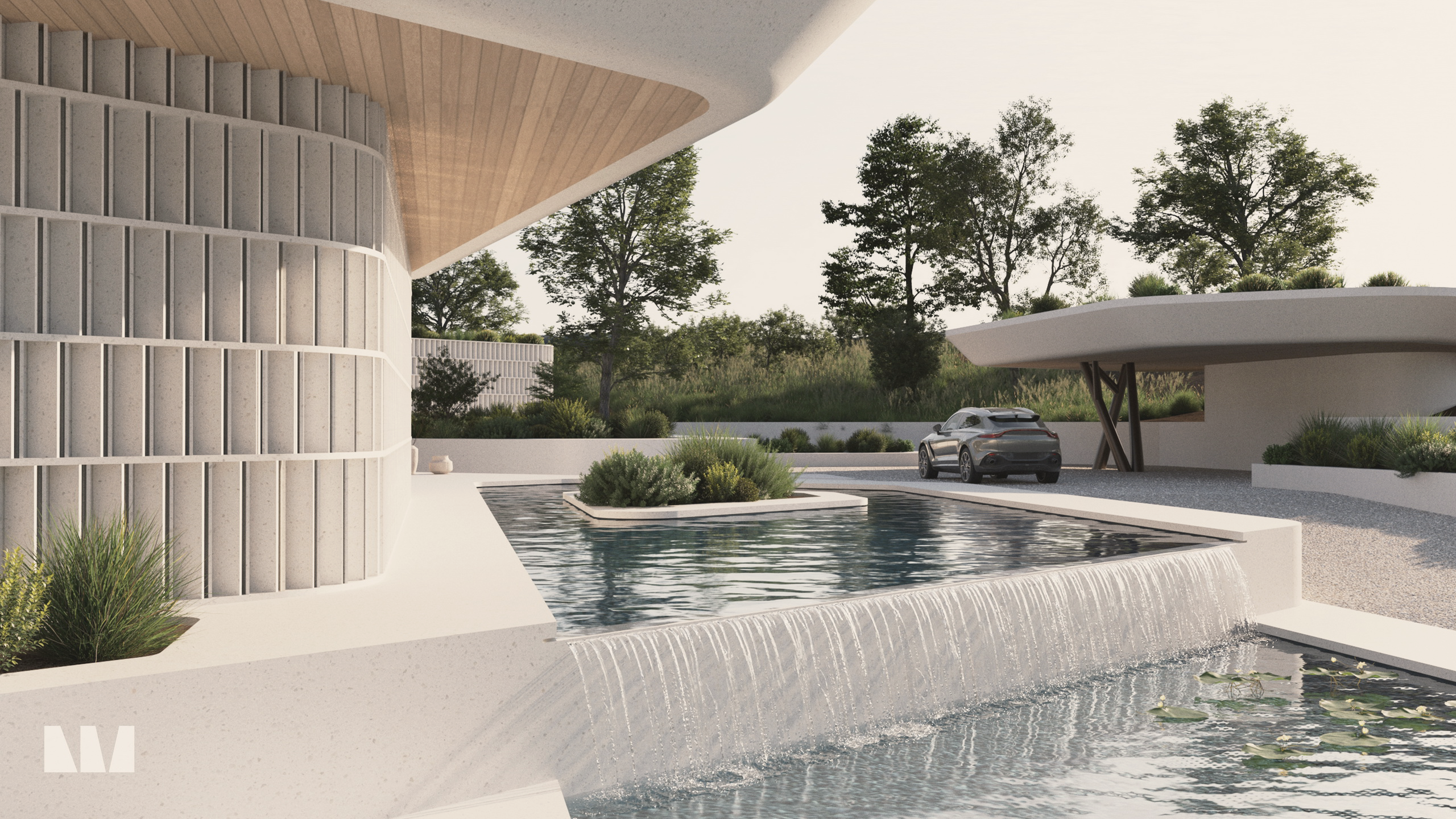
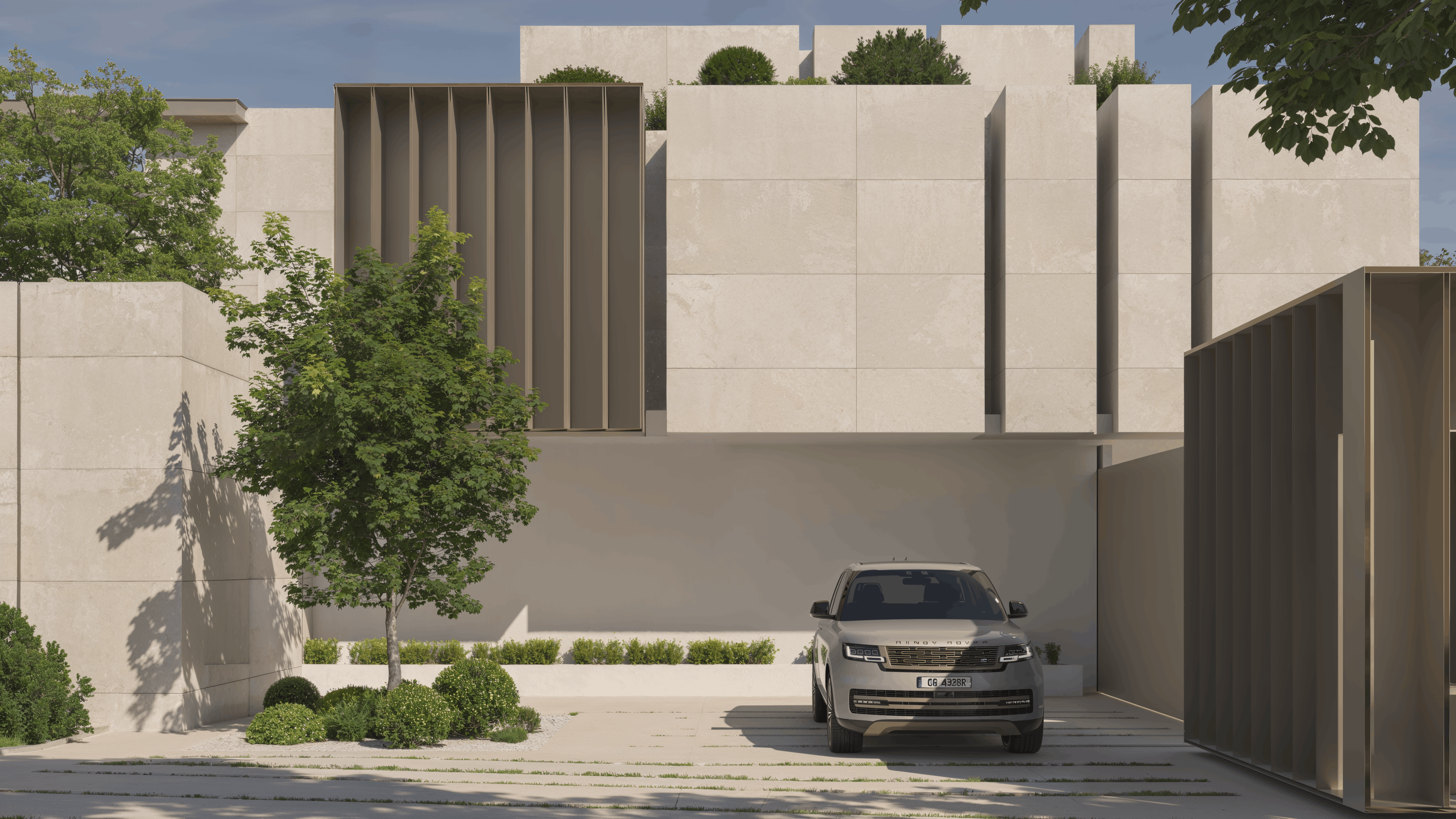
The modern home should offer more than shelter. It should create a sense of refuge. The threshold of a house matters because it marks the transition from public to private, from movement to stillness. This is where ideas around arrival and sequence become especially meaningful.
Arrival is never only functional. Through thresholds, framed vistas, changes in level and material, filtered light, water, and the layering of spaces, architecture begins to shape the emotional life of the home before one has even fully entered it.
Spaces for resetting
The spaces we inhabit shape our internal rhythms.
For that reason, architecture should support the rituals of everyday life: waking, gathering, cooking, resting, reading, bathing, sleeping, and reflecting. These are central to how a home is experienced.
To design well is to understand how people actually live, how a day begins, where it pauses, how people gather, and which spaces they return to most instinctively.
Good residential architecture allows for different zones of experience spaces that feel open and social, and others that feel inward, intimate, and calm.
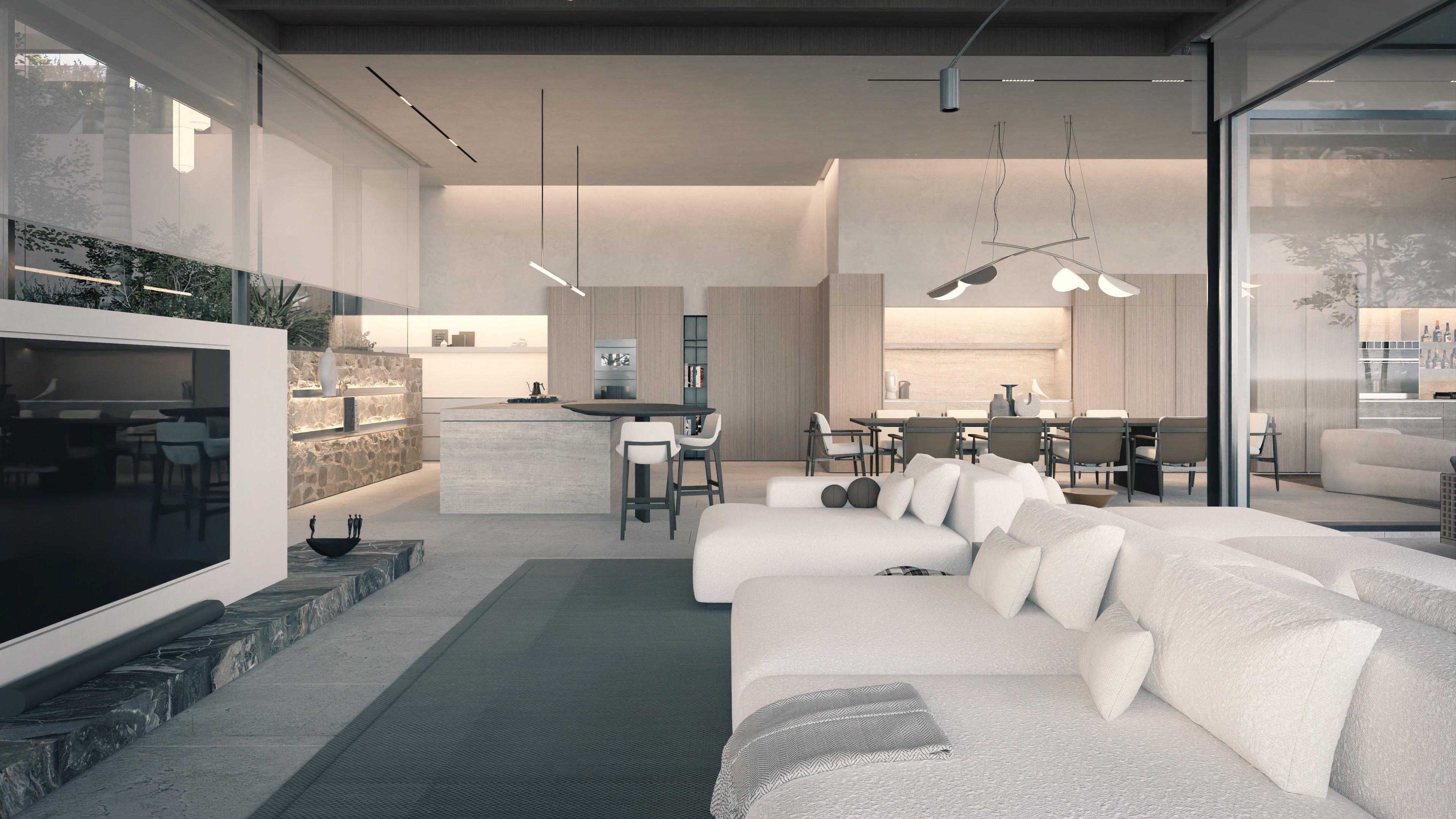
The kitchen has become far more than a service space. As explored in our thoughts on daily rituals around cooking and gathering, it often becomes the architectural and social centre of contemporary living. Equally, our reflections on spatial flow and shared living suggest that open-plan living is most successful when it remains layered rather than undifferentiated, generous, yet still capable of intimacy.
The home can be understood as a series of lived experiences, with kitchens, living spaces, bedrooms and bathrooms each holding their own atmosphere, rituals and emotional register.

Wellness through atmosphere
A single gesture rarely creates wellness in architecture.
It emerges through many small decisions: the quality of natural light, the tactility of materials, the calibration of privacy, the softness or solidity of enclosure, and the relationship between interior life and the landscape beyond. These are the elements that affect how the body feels in space, often before the mind has articulated why.
A home that promotes well-being feels calm, balanced, and open to nature, while still offering shelter, tactility, and moments of pause. This is as relevant to a bedroom or bathroom as it is to a living space, each room holding its own pace, mood, and degree of intimacy.
Light, material and the sensory life of a home
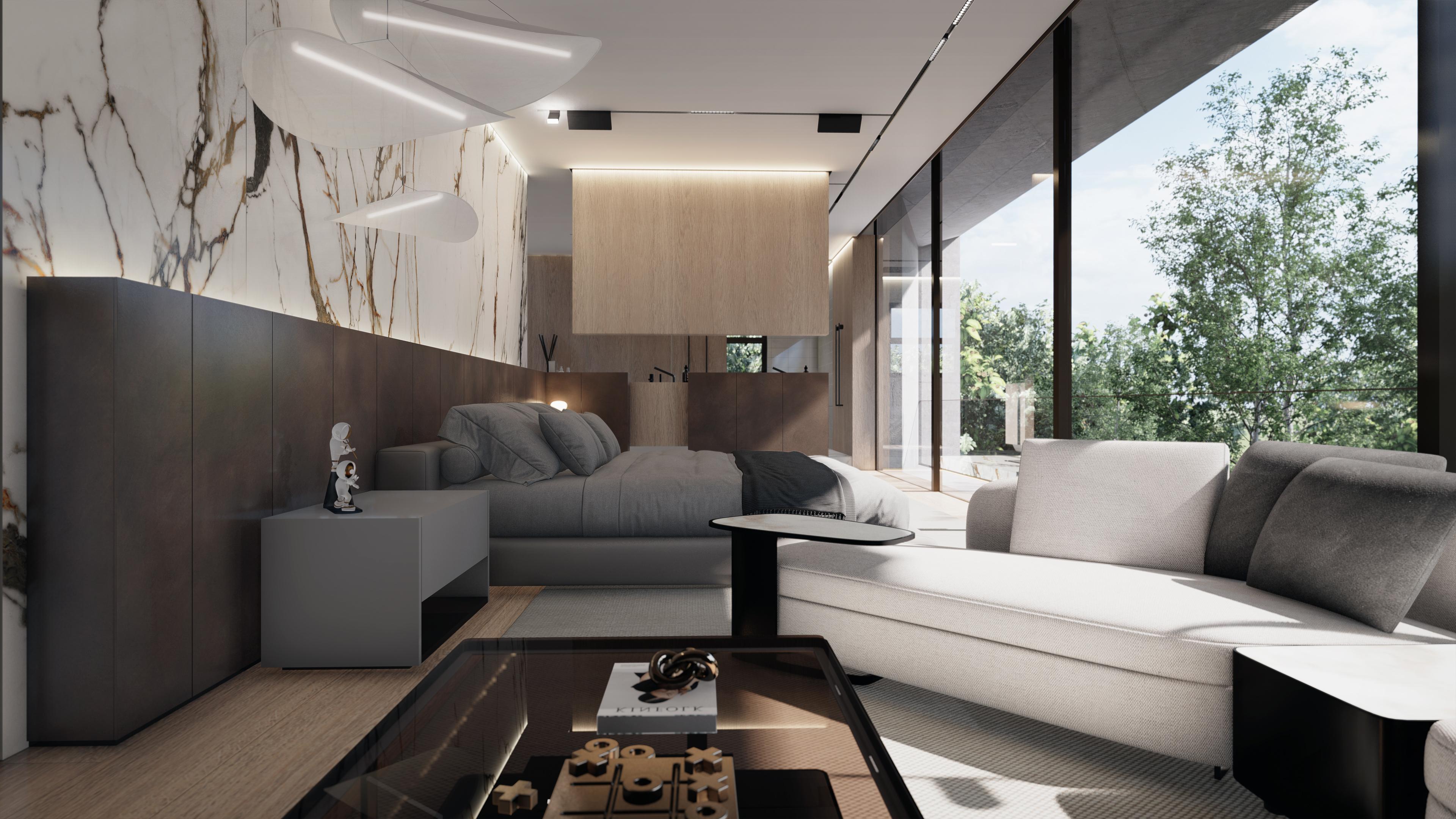
Light has a profound effect on how a house is felt.
Morning light can bring clarity and renewal, while filtered afternoon light softens a room and gives it depth. When light is treated as an architectural material, whether natural or artificial, it becomes part of the emotional life of the home, shaping atmosphere, emphasising surroundings, and drawing attention to key spatial moments and material qualities.
Thoughtfully layered lighting can support different rhythms of living through ambient, intimate and task-based illumination, creating a home environment that feels both comfortable and responsive. Considered from the design stage rather than added later, lighting becomes part of the architecture itself, supporting circadian rhythms and the experience of a room from waking through to unwinding and preparing for sleep.
Material plays an equally important role. Tactile finishes, whether engineered or naturally expressive, bring depth, warmth and sensory richness to a space. Timber, stone, textured plaster, metal, porcelain, glass, concrete and carefully considered composite surfaces each shape the experience of the home through light, touch and everyday use. This broader understanding of materiality also allows the home to benefit from specialist input across finishes, lighting and interior experience, supported by a wider network of collaborators.
In the same way, integrated technology should remain quiet and largely invisible supporting lighting, climate comfort and shading in ways that enhance the sensory experience of the home. It should never compete with the architecture, but quietly support the way a home feels and functions.
Landscape, water and the restorative edge of living
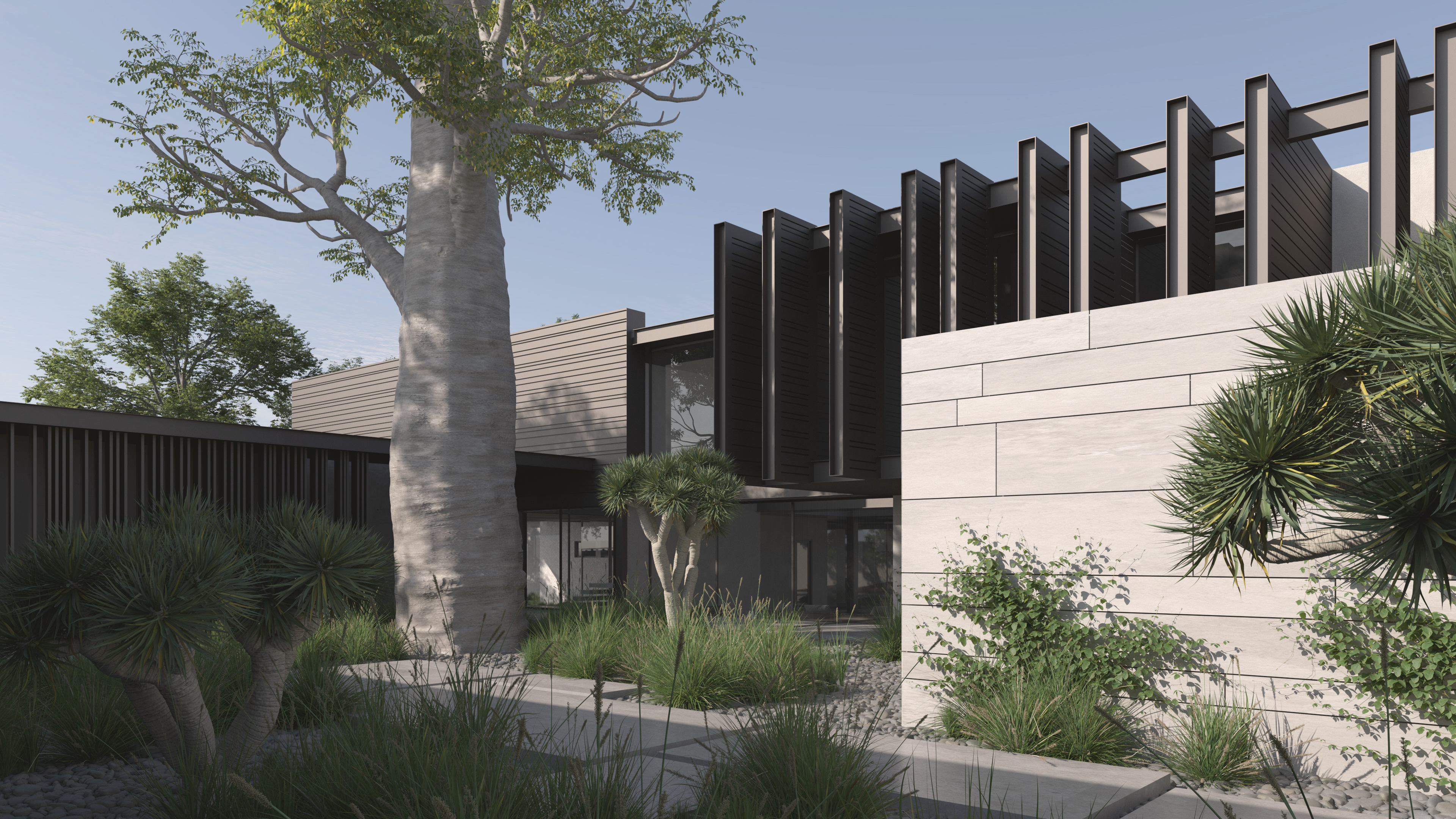
The relationship between house and landscape remains fundamental.
A home feels most restorative when it remains connected to its environment through gardens, courtyards, shaded terraces, planted edges, water, natural ventilation and framed views. As suggested in our reflections on seasonality, landscape and renewal, passive design, abundant natural light and integrated landscaping are central to homes that feel alive, timeless and effortless to inhabit.
It is often at this edge where interior gives way to lanai, terrace, courtyard, water or garden that the house feels most restorative.
Technology in service of calm
As homes evolve, intelligence within the built environment is becoming more relevant.
Technology should be considered carefully. Automation and AI can support a home that feels intuitive, responsive and at ease.
When integrated thoughtfully, technology can support wellness rather than distract from it: adjusting lighting as the day changes, tempering climate for comfort, managing privacy and shading, and simplifying daily routines.
The most advanced home is often one in which intelligence recedes into the background, quietly supporting comfort, calm and clarity.

Toward a more restorative architecture
The future of the home may be defined by how deeply it understands human experience, how it supports wellbeing, restores a connection to light, landscape, material and daily ritual, and balances openness with shelter and intelligence with stillness.
What matters is the feeling a home holds, the purpose it serves, and the kind of life it makes possible.
At its best, modern house architecture becomes restorative in nature, a place where architecture gives shape to calm, and where home becomes a daily act of return.
This piece also opens a broader series exploring the lived experience of spaces within the home, from living areas and kitchens to bedrooms, bathrooms and the quieter rituals of daily life.
Werner van der Meulen on behalf of Nico van der Meulen Architects | MSquare Lifestyle Design | M Square Lifestyle Necessities